Introduction
Imagine the crisp autumn air swirling around you as you step into a cozy kitchen, filled with the delightful aroma of roasting butternut squash. This versatile vegetable, with its sweet and nutty flavor, is a staple ingredient in many fall recipes. Today, we dive into the world of butternut squash, exploring its history, culinary significance, and the joy it brings to our tables.
Why Butternut Squash is Special
Butternut squash holds a special place in the hearts of chefs and home cooks alike. Its vibrant orange flesh not only adds a pop of color to dishes but also delivers a rich, creamy texture when cooked. This vegetable is not only delicious but also packed with essential nutrients, making it a wholesome addition to any meal.
Historically, butternut squash has been enjoyed for centuries, with its origins tracing back to the Americas. It has since become a beloved ingredient in various cuisines worldwide, celebrated for its earthy sweetness and versatility in both savory and sweet dishes.
Join us on a culinary journey as we explore the wonders of butternut squash and discover why this humble vegetable continues to captivate taste buds around the globe.
Why You’ll Love Butternut Squash
One of the standout features of butternut squash is its incredible versatility in the kitchen. Whether you roast it, puree it into soups, or incorporate it into baked goods, this vegetable shines in a myriad of recipes. Its naturally sweet flavor pairs beautifully with a range of herbs and spices, allowing you to create dishes that are both savory and comforting.
From a nutritional standpoint, butternut squash is a powerhouse of vitamins and minerals. It is rich in fiber, vitamin A, vitamin C, and antioxidants, making it a nourishing choice for those looking to boost their immune system and support overall health.
Whether you are a seasoned chef or a novice cook, butternut squash offers a delightful cooking experience with its ease of preparation and ability to enhance dishes with its unique taste and texture. Get ready to fall in love with this remarkable vegetable and all the culinary possibilities it holds.
Ingredients
For our butternut squash recipe, you will need the following ingredients:
– 1 medium-sized butternut squash
– Olive oil
– Salt and pepper
– Optional: herbs such as thyme or rosemary for added flavor
– Optional: a drizzle of maple syrup for a touch of sweetness
Feel free to customize the seasoning according to your taste preferences and experiment with different herbs and spices to create a dish that suits your palate.
Step-by-Step Instructions
1. Preheat your oven to 400°F (200°C) and line a baking sheet with parchment paper.
2. Peel the butternut squash using a sharp knife and cut it in half lengthwise. Scoop out the seeds and discard them.
3. Cut the squash into uniform cubes or slices, ensuring even cooking.
4. Place the butternut squash pieces on the prepared baking sheet.
5. Drizzle with olive oil, season with salt, pepper, and any desired herbs.
6. Toss the squash pieces to coat them evenly with the seasoning.
7. Roast in the preheated oven for 25-30 minutes or until the squash is tender and caramelized.
8. Remove from the oven and drizzle with maple syrup if desired for a hint of sweetness.
9. Serve hot as a side dish or incorporate the roasted squash into salads, soups, or pasta dishes for added flavor and texture.
Expert Tips for Success
To enhance the flavor of the roasted butternut squash, consider adding a sprinkle of cinnamon or nutmeg before roasting. These warm spices complement the natural sweetness of the squash and create a delightful aroma as it bakes.
For a time-saving tip, you can purchase pre-cut butternut squash in the produce section of many grocery stores. This convenient option eliminates the need for peeling and chopping, making meal preparation a breeze.
When selecting a butternut squash, look for one that feels heavy for its size and has a firm skin free of blemishes. This indicates that the squash is fresh and will yield delicious results when cooked.
Experiment with different cooking methods such as pureeing roasted squash into a velvety soup or incorporating it into a hearty stew for added depth of flavor. The possibilities are endless when it comes to exploring the culinary potential of butternut squash.
Variations and Substitutions
For a dairy-free option, substitute olive oil for butter when roasting the squash. This modification creates a vegan-friendly dish that is equally flavorful and satisfying.
If you prefer a spicy kick, sprinkle some chili powder or cayenne pepper on the squash before roasting. The combination of heat and sweetness will tantalize your taste buds and add an extra dimension to the dish.
For a gluten-free twist, swap breadcrumbs for crushed nuts such as pecans or almonds as a crunchy topping for the roasted butternut squash. This adds a delightful nuttiness and texture to the dish, perfect for those with gluten sensitivities.
Serving Suggestions
Roasted butternut squash pairs beautifully with a variety of dishes and makes a stunning side for any meal. Serve it alongside roasted chicken, grilled salmon, or a hearty vegetable stew for a wholesome and satisfying dinner.
For a festive touch, incorporate the roasted squash into holiday menus by adding it to Thanksgiving stuffing, pureeing it into a velvety soup for Christmas dinner, or tossing it with cranberries and pecans for a vibrant autumn salad.
Pair the roasted butternut squash with a glass of crisp white wine or a warm cup of spiced cider to complement its flavors and create a memorable dining experience for family and friends.
FAQs
Q: Can I prepare butternut squash ahead of time?
A: Yes, you can peel and cube the squash in advance and store it in an airtight container in the refrigerator for up to 2 days. This makes meal prep more convenient and allows you to save time when cooking.
Q: How do I know when the butternut squash is fully cooked?
A: The squash is done when it is fork-tender, meaning you can easily pierce it with a fork without resistance. Keep an eye on the squash while roasting to prevent it from becoming mushy.
Q: Can I freeze roasted butternut squash?
A: Yes, roasted butternut squash freezes well. Allow it to cool completely, then transfer it to a freezer-safe container or bag. When ready to use, simply thaw and reheat in the oven or microwave.
Final Thoughts
As we conclude our culinary exploration of butternut squash, we invite you to embrace this delightful vegetable and unleash your creativity in the kitchen. Whether you roast it, puree it, or incorporate it into baked goods, butternut squash offers a world of culinary possibilities waiting to be discovered.
Next time you spot a butternut squash at the market, don’t hesitate to bring it home and embark on a flavorful journey filled with warmth and nourishment. Let the sweet aroma of roasted squash fill your kitchen and the rich flavors tantalize your taste buds, creating memorable meals that celebrate the essence of fall.
Thank you for joining us on this savory adventure. We hope you enjoy cooking with butternut squash as much as we do. Happy cooking!
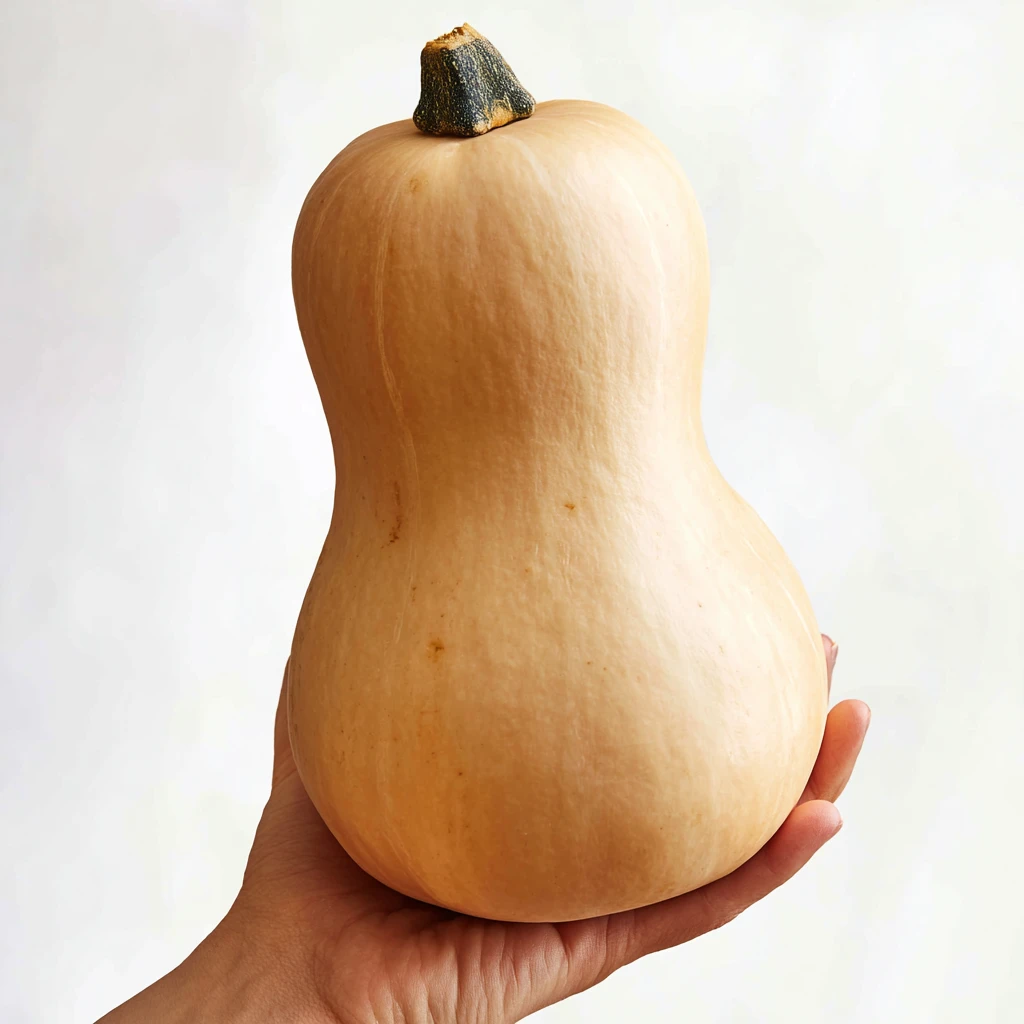
Butternut Squash
Enjoy the rich and creamy goodness of roasted butternut squash, a versatile vegetable packed with essential nutrients and vibrant flavors. This simple recipe brings out the natural sweetness of the squash, making it a delicious side dish or a flavorful addition to salads, soups, and pasta dishes.
Ingredients
- 1 medium-sized butternut squash
- Olive oil
- Salt
- Pepper
- Herbs such as thyme or rosemary
- Maple syrup
Directions
-
Preheat the oven to 400°F (200°C) and line a baking sheet with parchment paper.
-
Peel and cut the butternut squash, removing the seeds, and cut into uniform cubes or slices.
-
Place the squash on the prepared baking sheet, drizzle with olive oil, season with salt, pepper, and herbs.
-
Toss to coat the squash evenly and roast in the oven for 25-30 minutes until tender and caramelized.
-
Drizzle with maple syrup if desired before serving hot.
-
Enjoy as a side dish or incorporate into various dishes like salads, soups, or pasta.